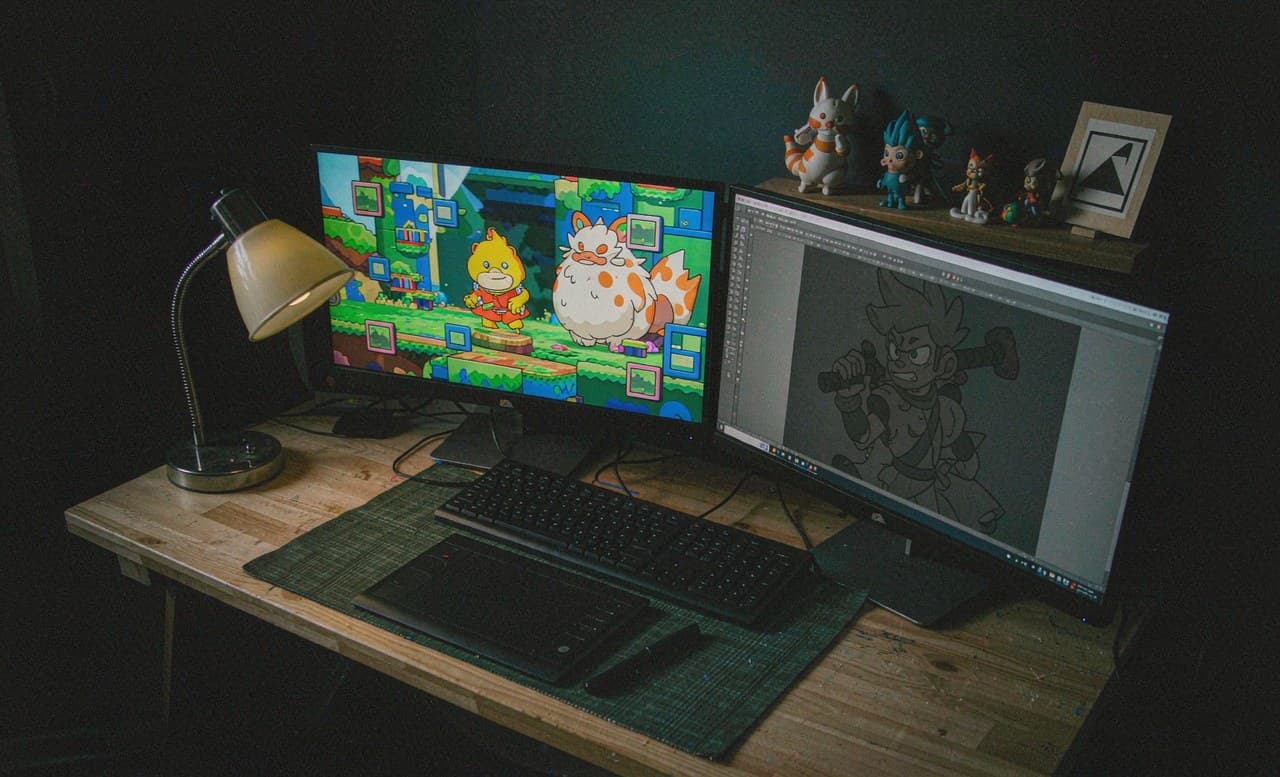
49 AI characters start a game development studio: The director, lead programmer, and QA testers are all integrated into your Claude Code conversations.
Claude-Code-Game-Studios: Bringing the structure of a real game studio into AI conversations: 49 full-time agents, 74 skills, 15 hooks, and 62 document templates. Full quality control throughout the entire process, from project initiation to launch, with MIT license.
Related tags
Using AI for solo game development, the biggest challenge isn’t being unable to write code, but rather a lack of “organization”: no one will stop you from hardcoding magic numbers, skipping design documents, or creating messy code. Without QA oversight, design reviews, or someone asking, “Does this really align with the game vision?”, the Claude-Code-Game-Studios (currently with 29,352 stars, adding 353 new daily) solution is straightforward: pack an entire game studio’s structure, including its hierarchy, processes, and quality checkpoints, into a single Claude Code conversation.
49 Agents, Three Levels of Structure
The core of the project is 49 specialized agents, organized in three tiers, mirroring a real-game studio:
- Tier 1 Management: Creative Director defines the vision, Technical Director establishes the architecture, and Producers oversee everything;
- Tier 2 Department Heads: Game Designers, Lead Programmers, Art Directors, Audio Directors, Narrative Directors, QA Managers, and Release Managers each manage their respective areas;
- Tier 3 Specialists: Members who perform specific tasks in design, programming, art, audio, narrative, and QA.
Each agent has clearly defined responsibilities, an upgrade path, and quality checkpoints. You still have control over decisions, but you now have a team that can ask relevant questions, identify potential issues early on, and maintain project organization throughout the entire process, from initial brainstorming to launch.
More Than Just Agents: 74 Skills + 15 Hooks + 14 Rules
Having agents alone isn’t enough; the supporting workflow infrastructure is also well-defined:
| Category | Number | Content |
|---|---|---|
| Agents | 49 | Covers design, programming, art, audio, narrative, QA, and production |
| Skills | 74 | Includes commands like /start, /design-system, /create-epics, /create-stories, /dev-story, /story-done for full workflow |
| Hooks | 15 | Automated validation for submissions, reading design documents, agent auditing, and detecting gaps |
| Rules | 14 | Coding standards that apply to gameplay, engine, AI, UI, network code, and scene/asset files |
| Templates | 62 | GDD, UX specifications, ADR, sprint plans, HUD designs, accessibility documents |
This means that from project inception (/start) to breaking down epics and stories, developing individual stories, to acceptance (/story-done), each stage has corresponding commands and automated checks to ensure compliance – code that doesn’t meet the standards will be flagged by hooks, and rules will automatically apply when writing gameplay code.
Does it Produce Games or Documents?
The README section specifically addresses this common question: documents generated during the process are a means to an end; the final deliverable is still a playable game. The design philosophy is “structure doesn’t stifle creativity; it provides a framework for creativity.”
How to Use It
MIT License, specifically designed for Claude Code, clone the repository and follow the Getting Started instructions. Suitable for solo developers, Game Jam participants, and small teams looking to add “studio discipline” to AI-assisted development. In today’s world where agent teams are in focus, this project takes the competitive dimension from “adding more agents” to “organizing the team” – which may be the real reason for its 353 daily star increase.
Repository URL: https://github.com/Donchitos/Claude-Code-Game-Studios
More News
Want to see more quality content?
Browse all news